Image

If you need to know how to
The current state of the
World Heritage property
A cultural, natural or mixed heritage place inscribed on the World Heritage List and therefore considered to be of OUV for humanity. The responsibility for nominating a property to the World Heritage List falls upon the State(s) Party(ies) where it is located. The World Heritage Committee decides whether a property should be inscribed on the World Heritage List, taking into account the technical recommendations of the Advisory Bodies following rigorous evaluation processes.
When used as a general term, World Heritage refers to all the natural, cultural and mixed properties inscribed on the World Heritage List.
, its Outstanding Universal Value and attributes is used as a baseline during the subsequent impact assessment stages (Section 6.8), which compare the future of the
World Heritage property
A cultural, natural or mixed heritage place inscribed on the World Heritage List and therefore considered to be of OUV for humanity. The responsibility for nominating a property to the World Heritage List falls upon the State(s) Party(ies) where it is located. The World Heritage Committee decides whether a property should be inscribed on the World Heritage List, taking into account the technical recommendations of the Advisory Bodies following rigorous evaluation processes.
When used as a general term, World Heritage refers to all the natural, cultural and mixed properties inscribed on the World Heritage List.
with and without the proposed action. The baseline can also be used as a reference point to monitor the situation during and after project construction, to ensure the heritage is protected.
The scoping stages should have identified the type and quantity of information needed for the baseline assessment. The baseline should describe the current status of the OUV and other heritage/conservation values and the attributes that convey them, both at the
World Heritage property
A cultural, natural or mixed heritage place inscribed on the World Heritage List and therefore considered to be of OUV for humanity. The responsibility for nominating a property to the World Heritage List falls upon the State(s) Party(ies) where it is located. The World Heritage Committee decides whether a property should be inscribed on the World Heritage List, taking into account the technical recommendations of the Advisory Bodies following rigorous evaluation processes.
When used as a general term, World Heritage refers to all the natural, cultural and mixed properties inscribed on the World Heritage List.
and in its buffer and wider setting. This analysis may be on a much wider scale than a normal heritage assessment: it could involve, for instance, describing migration routes of animals, the local geology, or cultural practices where these are attributes that support OUV. The baseline should also describe any other heritage/conservation values of the
World Heritage property
A cultural, natural or mixed heritage place inscribed on the World Heritage List and therefore considered to be of OUV for humanity. The responsibility for nominating a property to the World Heritage List falls upon the State(s) Party(ies) where it is located. The World Heritage Committee decides whether a property should be inscribed on the World Heritage List, taking into account the technical recommendations of the Advisory Bodies following rigorous evaluation processes.
When used as a general term, World Heritage refers to all the natural, cultural and mixed properties inscribed on the World Heritage List.
: relevant international, national and local level designations in the study area, why they have been designated, and their sensitivities. Box 6.2 lists possible sources of baseline data.
Box 6.2. Possible sources of baseline data
● Nomination file and other documents associated with the
World Heritage property
A cultural, natural or mixed heritage place inscribed on the World Heritage List and therefore considered to be of OUV for humanity. The responsibility for nominating a property to the World Heritage List falls upon the State(s) Party(ies) where it is located. The World Heritage Committee decides whether a property should be inscribed on the World Heritage List, taking into account the technical recommendations of the Advisory Bodies following rigorous evaluation processes.
When used as a general term, World Heritage refers to all the natural, cultural and mixed properties inscribed on the World Heritage List.
’s listing including the adopted Statement of Outstanding Universal Value
● Engagement activities with rights-holders, local communities and other stakeholders
● Desk-based studies
● Cultural mapping19
● Ethnographic studies
● Site visits
● Building surveys
● Urban heritage mapping
● Socio-economic studies
● Visitor surveys/studies
● Transport assessment
● Landscape characterization studies
● Geological surveys
● Ecological/biodiversity surveys
● Underwater surveys
● Measurement of ecosystem services
● Measurement of ambient baseline noise
● Soil quality evaluations
● Contaminated land surveys
● Air quality assessments
● Pollution monitoring
● Assessment reports of recovery efforts from natural disasters
It will also be useful to return to the condition of the
World Heritage property
A cultural, natural or mixed heritage place inscribed on the World Heritage List and therefore considered to be of OUV for humanity. The responsibility for nominating a property to the World Heritage List falls upon the State(s) Party(ies) where it is located. The World Heritage Committee decides whether a property should be inscribed on the World Heritage List, taking into account the technical recommendations of the Advisory Bodies following rigorous evaluation processes.
When used as a general term, World Heritage refers to all the natural, cultural and mixed properties inscribed on the World Heritage List.
at the time of its inscription: this will allow a baseline to be identified for the property’s OUV, attributes and state of conservation. Any changes that have taken place since inscription can then be identified and consequent vulnerabilities identified.
It will also be necessary to consider likely future changes without the proposed action, for instance other planned projects, emerging plans, and national or regional trends (e.g. improving air quality, worsening traffic, climate change). This can include a discussion of less likely changes and threats that would have a significant impact on the
World Heritage property
A cultural, natural or mixed heritage place inscribed on the World Heritage List and therefore considered to be of OUV for humanity. The responsibility for nominating a property to the World Heritage List falls upon the State(s) Party(ies) where it is located. The World Heritage Committee decides whether a property should be inscribed on the World Heritage List, taking into account the technical recommendations of the Advisory Bodies following rigorous evaluation processes.
When used as a general term, World Heritage refers to all the natural, cultural and mixed properties inscribed on the World Heritage List.
and its OUV, for instance flooding, conflict, population displacement, landslides or reconstruction. This analysis of likely and possible future changes is particularly useful for identifying and evaluating cumulative impacts (Section 6.9), showing where the effects of a proposed action may be more significant if it is combined with other actions in the past, present and foreseeable future.
Once existing information has been collected and analysed, any relevant data gaps will need to be filled. New baseline studies might need to be carried out. A rigorous methodology should be developed for the collection of additional data – including a clear geographic and temporal scope – and this should be described in the final report. The timing of baseline studies also needs to be considered. For example, in natural properties, seasonal changes such as breeding, nesting or migratory patterns of species, weather patterns, etc. will affect the accuracy of the data that is collected depending on the timing of surveys. Cultural properties can also be affected by seasonal trends, such as agricultural cycles, festivities or tourism, which should be measured at the appropriate time.
The values and attributes of a
World Heritage property
A cultural, natural or mixed heritage place inscribed on the World Heritage List and therefore considered to be of OUV for humanity. The responsibility for nominating a property to the World Heritage List falls upon the State(s) Party(ies) where it is located. The World Heritage Committee decides whether a property should be inscribed on the World Heritage List, taking into account the technical recommendations of the Advisory Bodies following rigorous evaluation processes.
When used as a general term, World Heritage refers to all the natural, cultural and mixed properties inscribed on the World Heritage List.
are protected by a system of legal provisions, policies and standards, and a management system of heritage governance. Ideally, these systems will also deliver wider benefits for society. Analysis of the heritage policies, and the heritage governance and management system in place, can greatly improve the outcomes of an impact assessment by clarifying the context in which the new action is being proposed. The baseline analysis should review the consistency of the proposed action with these existing policies. The proposed action will need to be consistent with relevant legislation and plans: the impact assessment should explain whether it is – and if not, why not.
The policy context can be gleaned by reviewing national, regional and local policies and land-use plans relating to heritage and the attributes that support the
World Heritage property
A cultural, natural or mixed heritage place inscribed on the World Heritage List and therefore considered to be of OUV for humanity. The responsibility for nominating a property to the World Heritage List falls upon the State(s) Party(ies) where it is located. The World Heritage Committee decides whether a property should be inscribed on the World Heritage List, taking into account the technical recommendations of the Advisory Bodies following rigorous evaluation processes.
When used as a general term, World Heritage refers to all the natural, cultural and mixed properties inscribed on the World Heritage List.
’s OUV. Any previous Advisory or
Reactive Monitoring mission
Technical visits to threatened World Heritage properties aiming to ascertain their conditions. These missions are part of the statutory reporting by the Secretariat and the Advisory Bodies on the state of conservation of specific properties that are under threat (Reactive Monitoring process).They are requested by the
World Heritage Committee
The main decision-making body of the
World Heritage Convention
The Convention Concerning the Protection of the World Cultural and Natural Heritage is an international treaty adopted by the UN in 1972 that defines the kind of natural or cultural sites which can be considered for inscription on the World Heritage List for their Outstanding Universal Value for all humankind. Commonly known as the World Heritage Convention, it establishes how the international community as a whole is responsible for
the protection of such heritage and sets out the duties of States Parties in identifying potential sites that may be eligible for inscription onto the World Heritage List and their role in protecting and preserving them. By signing the Convention, each country pledges to conserve not only the sites situated on its territory that have been recognized as being of Outstanding Universal Value, but also to protect its national heritage and to be involved in international efforts to protect, conserve and promote the heritage of humankind.
, it consists of representatives from 21 of the States Parties to the Convention elected for terms up to six years, but voluntarily reduced to 4 years to ensure equitable representation.The Committee meets at least once a year. It is one of the key implementing actors of the
World Heritage Convention
The Convention Concerning the Protection of the World Cultural and Natural Heritage is an international treaty adopted by the UN in 1972 that defines the kind of natural or cultural sites which can be considered for inscription on the World Heritage List for their Outstanding Universal Value for all humankind. Commonly known as the World Heritage Convention, it establishes how the international community as a whole is responsible for
the protection of such heritage and sets out the duties of States Parties in identifying potential sites that may be eligible for inscription onto the World Heritage List and their role in protecting and preserving them. By signing the Convention, each country pledges to conserve not only the sites situated on its territory that have been recognized as being of Outstanding Universal Value, but also to protect its national heritage and to be involved in international efforts to protect, conserve and promote the heritage of humankind.
, allocates financial assistance from the
World Heritage Fund
A trust fund established according to article 15 of the World Heritage Convention in conformity with the provisions of the Financial Regulations of UNESCO to assist in the protection of properties forming part of the World Cultural and Natural Heritage of Outstanding Universal Value.The Fund for the Protection of the World Natural and Cultural Heritage of Outstanding Universal Value, commonly known as World Heritage Fund, consists of compulsory and voluntary contributions made by States Parties to the Convention, and any other resources authorized by the Fund’s regulations. These include resources received from UNESCO, UN organisations, public or private bodies or individuals, funds raised for the benefit of the Fund, any other source acceptable to the World Heritage Committee. The Fund may be used for purposes defined by the World Heritage Committee and may include studies, provision of expertise and skilled labour, training activities, low-interest or interest- free loans or, in exceptional cases and for special reasons of non- repayable subsidies for the protection, conservation, presentation and rehabilitation of the World Natural and Cultural Heritage.
and has the final say on whether a site shall be inscribed on the World Heritage List. It examines reports on the state of conservation of inscribed sites and decides on the inscription or removal of properties on the List of World Heritage in Danger.The main functions of the Convention, in cooperation with States Parties, are to:decide, on the basis of Tentative Lists and nominations submitted by States Parties, which cultural and natural properties of Outstanding Universal Value are to be inscribed on the World Heritage List and therefore protected under the Convention;examine the state of conservation of properties inscribed on the World Heritage List through processes of Reactive Monitoring and Periodic Reporting;decide which properties inscribed on the World Heritage List are to be inscribed
on, or removed from the List of World Heritage in Danger;decide whether a property should be deleted from the World Heritage List;define the procedure by which requests for International Assistance are to be
considered and carry out studies and consultations as necessary before coming to a decision;determine how the resources of the
World Heritage Fund
A trust fund established according to article 15 of the World Heritage Convention in conformity with the provisions of the Financial Regulations of UNESCO to assist in the protection of properties forming part of the World Cultural and Natural Heritage of Outstanding Universal Value.The Fund for the Protection of the World Natural and Cultural Heritage of Outstanding Universal Value, commonly known as World Heritage Fund, consists of compulsory and voluntary contributions made by States Parties to the Convention, and any other resources authorized by the Fund’s regulations. These include resources received from UNESCO, UN organisations, public or private bodies or individuals, funds raised for the benefit of the Fund, any other source acceptable to the World Heritage Committee. The Fund may be used for purposes defined by the World Heritage Committee and may include studies, provision of expertise and skilled labour, training activities, low-interest or interest- free loans or, in exceptional cases and for special reasons of non- repayable subsidies for the protection, conservation, presentation and rehabilitation of the World Natural and Cultural Heritage.
can be used most advantageously to assist States Parties in the protection of their properties of Outstanding Universal Value;seek ways to increase the
World Heritage Fund
A trust fund established according to article 15 of the World Heritage Convention in conformity with the provisions of the Financial Regulations of UNESCO to assist in the protection of properties forming part of the World Cultural and Natural Heritage of Outstanding Universal Value.The Fund for the Protection of the World Natural and Cultural Heritage of Outstanding Universal Value, commonly known as World Heritage Fund, consists of compulsory and voluntary contributions made by States Parties to the Convention, and any other resources authorized by the Fund’s regulations. These include resources received from UNESCO, UN organisations, public or private bodies or individuals, funds raised for the benefit of the Fund, any other source acceptable to the World Heritage Committee. The Fund may be used for purposes defined by the World Heritage Committee and may include studies, provision of expertise and skilled labour, training activities, low-interest or interest- free loans or, in exceptional cases and for special reasons of non- repayable subsidies for the protection, conservation, presentation and rehabilitation of the World Natural and Cultural Heritage.
;submit a report on its activities every two years to the General Assembly of States
Parties and to the UNESCO General Conference;review and evaluate periodically the implementation of the Convention;revise and adopt the Operational Guidelines.
to ascertain, in consultation with the State Party concerned, the condition of the property, the dangers to the property and the feasibility of adequately restoring the property or to assess progress made in implementing such corrective measures, and include reporting back to the Committee on the findings of the mission).The terms of reference of Reactive Monitoring missions are proposed by the
World Heritage Centre
The UNESCO World Heritage Centre is a technical administrative body within UNESCO, established in 1992 and appointed by the Director-General of UNESCO. It acts as the Secretariat of the
World Heritage Convention
The Convention Concerning the Protection of the World Cultural and Natural Heritage is an international treaty adopted by the UN in 1972 that defines the kind of natural or cultural sites which can be considered for inscription on the World Heritage List for their Outstanding Universal Value for all humankind. Commonly known as the World Heritage Convention, it establishes how the international community as a whole is responsible for
the protection of such heritage and sets out the duties of States Parties in identifying potential sites that may be eligible for inscription onto the World Heritage List and their role in protecting and preserving them. By signing the Convention, each country pledges to conserve not only the sites situated on its territory that have been recognized as being of Outstanding Universal Value, but also to protect its national heritage and to be involved in international efforts to protect, conserve and promote the heritage of humankind.
, is the focal point and coordinator within UNESCO for all matters related to World Heritage, and ensures the day-to-day management of the Convention.The main tasks of the World Heritage Centre are:the organization of the meetings of the General Assembly and the Committee;the implementation of decisions of the
World Heritage Committee
The main decision-making body of the
World Heritage Convention
The Convention Concerning the Protection of the World Cultural and Natural Heritage is an international treaty adopted by the UN in 1972 that defines the kind of natural or cultural sites which can be considered for inscription on the World Heritage List for their Outstanding Universal Value for all humankind. Commonly known as the World Heritage Convention, it establishes how the international community as a whole is responsible for
the protection of such heritage and sets out the duties of States Parties in identifying potential sites that may be eligible for inscription onto the World Heritage List and their role in protecting and preserving them. By signing the Convention, each country pledges to conserve not only the sites situated on its territory that have been recognized as being of Outstanding Universal Value, but also to protect its national heritage and to be involved in international efforts to protect, conserve and promote the heritage of humankind.
, it consists of representatives from 21 of the States Parties to the Convention elected for terms up to six years, but voluntarily reduced to 4 years to ensure equitable representation.The Committee meets at least once a year. It is one of the key implementing actors of the
World Heritage Convention
The Convention Concerning the Protection of the World Cultural and Natural Heritage is an international treaty adopted by the UN in 1972 that defines the kind of natural or cultural sites which can be considered for inscription on the World Heritage List for their Outstanding Universal Value for all humankind. Commonly known as the World Heritage Convention, it establishes how the international community as a whole is responsible for
the protection of such heritage and sets out the duties of States Parties in identifying potential sites that may be eligible for inscription onto the World Heritage List and their role in protecting and preserving them. By signing the Convention, each country pledges to conserve not only the sites situated on its territory that have been recognized as being of Outstanding Universal Value, but also to protect its national heritage and to be involved in international efforts to protect, conserve and promote the heritage of humankind.
, allocates financial assistance from the
World Heritage Fund
A trust fund established according to article 15 of the World Heritage Convention in conformity with the provisions of the Financial Regulations of UNESCO to assist in the protection of properties forming part of the World Cultural and Natural Heritage of Outstanding Universal Value.The Fund for the Protection of the World Natural and Cultural Heritage of Outstanding Universal Value, commonly known as World Heritage Fund, consists of compulsory and voluntary contributions made by States Parties to the Convention, and any other resources authorized by the Fund’s regulations. These include resources received from UNESCO, UN organisations, public or private bodies or individuals, funds raised for the benefit of the Fund, any other source acceptable to the World Heritage Committee. The Fund may be used for purposes defined by the World Heritage Committee and may include studies, provision of expertise and skilled labour, training activities, low-interest or interest- free loans or, in exceptional cases and for special reasons of non- repayable subsidies for the protection, conservation, presentation and rehabilitation of the World Natural and Cultural Heritage.
and has the final say on whether a site shall be inscribed on the World Heritage List. It examines reports on the state of conservation of inscribed sites and decides on the inscription or removal of properties on the List of World Heritage in Danger.The main functions of the Convention, in cooperation with States Parties, are to:decide, on the basis of Tentative Lists and nominations submitted by States Parties, which cultural and natural properties of Outstanding Universal Value are to be inscribed on the World Heritage List and therefore protected under the Convention;examine the state of conservation of properties inscribed on the World Heritage List through processes of Reactive Monitoring and Periodic Reporting;decide which properties inscribed on the World Heritage List are to be inscribed
on, or removed from the List of World Heritage in Danger;decide whether a property should be deleted from the World Heritage List;define the procedure by which requests for International Assistance are to be
considered and carry out studies and consultations as necessary before coming to a decision;determine how the resources of the
World Heritage Fund
A trust fund established according to article 15 of the World Heritage Convention in conformity with the provisions of the Financial Regulations of UNESCO to assist in the protection of properties forming part of the World Cultural and Natural Heritage of Outstanding Universal Value.The Fund for the Protection of the World Natural and Cultural Heritage of Outstanding Universal Value, commonly known as World Heritage Fund, consists of compulsory and voluntary contributions made by States Parties to the Convention, and any other resources authorized by the Fund’s regulations. These include resources received from UNESCO, UN organisations, public or private bodies or individuals, funds raised for the benefit of the Fund, any other source acceptable to the World Heritage Committee. The Fund may be used for purposes defined by the World Heritage Committee and may include studies, provision of expertise and skilled labour, training activities, low-interest or interest- free loans or, in exceptional cases and for special reasons of non- repayable subsidies for the protection, conservation, presentation and rehabilitation of the World Natural and Cultural Heritage.
can be used most advantageously to assist States Parties in the protection of their properties of Outstanding Universal Value;seek ways to increase the
World Heritage Fund
A trust fund established according to article 15 of the World Heritage Convention in conformity with the provisions of the Financial Regulations of UNESCO to assist in the protection of properties forming part of the World Cultural and Natural Heritage of Outstanding Universal Value.The Fund for the Protection of the World Natural and Cultural Heritage of Outstanding Universal Value, commonly known as World Heritage Fund, consists of compulsory and voluntary contributions made by States Parties to the Convention, and any other resources authorized by the Fund’s regulations. These include resources received from UNESCO, UN organisations, public or private bodies or individuals, funds raised for the benefit of the Fund, any other source acceptable to the World Heritage Committee. The Fund may be used for purposes defined by the World Heritage Committee and may include studies, provision of expertise and skilled labour, training activities, low-interest or interest- free loans or, in exceptional cases and for special reasons of non- repayable subsidies for the protection, conservation, presentation and rehabilitation of the World Natural and Cultural Heritage.
;submit a report on its activities every two years to the General Assembly of States
Parties and to the UNESCO General Conference;review and evaluate periodically the implementation of the Convention;revise and adopt the Operational Guidelines.
and resolutions of the General Assembly and reporting to them on their execution;the receipt, registration, checking the completeness, archiving and transmission to the relevant Advisory Bodies of nominations to the World Heritage List;the coordination of studies and activities as part of the Global Strategy for a Representative, Balanced and Credible World Heritage List;the organization of Periodic Reporting and coordination of Reactive Monitoring;the coordination of International Assistance;the mobilization of extra-budgetary resources for the conservation and management of World Heritage properties;the assistance to States Parties in the implementation of the Committee›s
programmes and projects;the promotion of World Heritage and the Convention through the dissemination of
information to States Parties, the Advisory Bodies and the general public.
, in line with the decision adopted by the
World Heritage Committee
The main decision-making body of the
World Heritage Convention
The Convention Concerning the Protection of the World Cultural and Natural Heritage is an international treaty adopted by the UN in 1972 that defines the kind of natural or cultural sites which can be considered for inscription on the World Heritage List for their Outstanding Universal Value for all humankind. Commonly known as the World Heritage Convention, it establishes how the international community as a whole is responsible for
the protection of such heritage and sets out the duties of States Parties in identifying potential sites that may be eligible for inscription onto the World Heritage List and their role in protecting and preserving them. By signing the Convention, each country pledges to conserve not only the sites situated on its territory that have been recognized as being of Outstanding Universal Value, but also to protect its national heritage and to be involved in international efforts to protect, conserve and promote the heritage of humankind.
, it consists of representatives from 21 of the States Parties to the Convention elected for terms up to six years, but voluntarily reduced to 4 years to ensure equitable representation.The Committee meets at least once a year. It is one of the key implementing actors of the
World Heritage Convention
The Convention Concerning the Protection of the World Cultural and Natural Heritage is an international treaty adopted by the UN in 1972 that defines the kind of natural or cultural sites which can be considered for inscription on the World Heritage List for their Outstanding Universal Value for all humankind. Commonly known as the World Heritage Convention, it establishes how the international community as a whole is responsible for
the protection of such heritage and sets out the duties of States Parties in identifying potential sites that may be eligible for inscription onto the World Heritage List and their role in protecting and preserving them. By signing the Convention, each country pledges to conserve not only the sites situated on its territory that have been recognized as being of Outstanding Universal Value, but also to protect its national heritage and to be involved in international efforts to protect, conserve and promote the heritage of humankind.
, allocates financial assistance from the
World Heritage Fund
A trust fund established according to article 15 of the World Heritage Convention in conformity with the provisions of the Financial Regulations of UNESCO to assist in the protection of properties forming part of the World Cultural and Natural Heritage of Outstanding Universal Value.The Fund for the Protection of the World Natural and Cultural Heritage of Outstanding Universal Value, commonly known as World Heritage Fund, consists of compulsory and voluntary contributions made by States Parties to the Convention, and any other resources authorized by the Fund’s regulations. These include resources received from UNESCO, UN organisations, public or private bodies or individuals, funds raised for the benefit of the Fund, any other source acceptable to the World Heritage Committee. The Fund may be used for purposes defined by the World Heritage Committee and may include studies, provision of expertise and skilled labour, training activities, low-interest or interest- free loans or, in exceptional cases and for special reasons of non- repayable subsidies for the protection, conservation, presentation and rehabilitation of the World Natural and Cultural Heritage.
and has the final say on whether a site shall be inscribed on the World Heritage List. It examines reports on the state of conservation of inscribed sites and decides on the inscription or removal of properties on the List of World Heritage in Danger.The main functions of the Convention, in cooperation with States Parties, are to:decide, on the basis of Tentative Lists and nominations submitted by States Parties, which cultural and natural properties of Outstanding Universal Value are to be inscribed on the World Heritage List and therefore protected under the Convention;examine the state of conservation of properties inscribed on the World Heritage List through processes of Reactive Monitoring and Periodic Reporting;decide which properties inscribed on the World Heritage List are to be inscribed
on, or removed from the List of World Heritage in Danger;decide whether a property should be deleted from the World Heritage List;define the procedure by which requests for International Assistance are to be
considered and carry out studies and consultations as necessary before coming to a decision;determine how the resources of the
World Heritage Fund
A trust fund established according to article 15 of the World Heritage Convention in conformity with the provisions of the Financial Regulations of UNESCO to assist in the protection of properties forming part of the World Cultural and Natural Heritage of Outstanding Universal Value.The Fund for the Protection of the World Natural and Cultural Heritage of Outstanding Universal Value, commonly known as World Heritage Fund, consists of compulsory and voluntary contributions made by States Parties to the Convention, and any other resources authorized by the Fund’s regulations. These include resources received from UNESCO, UN organisations, public or private bodies or individuals, funds raised for the benefit of the Fund, any other source acceptable to the World Heritage Committee. The Fund may be used for purposes defined by the World Heritage Committee and may include studies, provision of expertise and skilled labour, training activities, low-interest or interest- free loans or, in exceptional cases and for special reasons of non- repayable subsidies for the protection, conservation, presentation and rehabilitation of the World Natural and Cultural Heritage.
can be used most advantageously to assist States Parties in the protection of their properties of Outstanding Universal Value;seek ways to increase the
World Heritage Fund
A trust fund established according to article 15 of the World Heritage Convention in conformity with the provisions of the Financial Regulations of UNESCO to assist in the protection of properties forming part of the World Cultural and Natural Heritage of Outstanding Universal Value.The Fund for the Protection of the World Natural and Cultural Heritage of Outstanding Universal Value, commonly known as World Heritage Fund, consists of compulsory and voluntary contributions made by States Parties to the Convention, and any other resources authorized by the Fund’s regulations. These include resources received from UNESCO, UN organisations, public or private bodies or individuals, funds raised for the benefit of the Fund, any other source acceptable to the World Heritage Committee. The Fund may be used for purposes defined by the World Heritage Committee and may include studies, provision of expertise and skilled labour, training activities, low-interest or interest- free loans or, in exceptional cases and for special reasons of non- repayable subsidies for the protection, conservation, presentation and rehabilitation of the World Natural and Cultural Heritage.
;submit a report on its activities every two years to the General Assembly of States
Parties and to the UNESCO General Conference;review and evaluate periodically the implementation of the Convention;revise and adopt the Operational Guidelines.
and consolidated in consultation with the State Party and the relevant Advisory Body(ies). Reactive Monitoring missions are usually jointly carried out by the
World Heritage Centre
The UNESCO World Heritage Centre is a technical administrative body within UNESCO, established in 1992 and appointed by the Director-General of UNESCO. It acts as the Secretariat of the
World Heritage Convention
The Convention Concerning the Protection of the World Cultural and Natural Heritage is an international treaty adopted by the UN in 1972 that defines the kind of natural or cultural sites which can be considered for inscription on the World Heritage List for their Outstanding Universal Value for all humankind. Commonly known as the World Heritage Convention, it establishes how the international community as a whole is responsible for
the protection of such heritage and sets out the duties of States Parties in identifying potential sites that may be eligible for inscription onto the World Heritage List and their role in protecting and preserving them. By signing the Convention, each country pledges to conserve not only the sites situated on its territory that have been recognized as being of Outstanding Universal Value, but also to protect its national heritage and to be involved in international efforts to protect, conserve and promote the heritage of humankind.
, is the focal point and coordinator within UNESCO for all matters related to World Heritage, and ensures the day-to-day management of the Convention.The main tasks of the World Heritage Centre are:the organization of the meetings of the General Assembly and the Committee;the implementation of decisions of the
World Heritage Committee
The main decision-making body of the
World Heritage Convention
The Convention Concerning the Protection of the World Cultural and Natural Heritage is an international treaty adopted by the UN in 1972 that defines the kind of natural or cultural sites which can be considered for inscription on the World Heritage List for their Outstanding Universal Value for all humankind. Commonly known as the World Heritage Convention, it establishes how the international community as a whole is responsible for
the protection of such heritage and sets out the duties of States Parties in identifying potential sites that may be eligible for inscription onto the World Heritage List and their role in protecting and preserving them. By signing the Convention, each country pledges to conserve not only the sites situated on its territory that have been recognized as being of Outstanding Universal Value, but also to protect its national heritage and to be involved in international efforts to protect, conserve and promote the heritage of humankind.
, it consists of representatives from 21 of the States Parties to the Convention elected for terms up to six years, but voluntarily reduced to 4 years to ensure equitable representation.The Committee meets at least once a year. It is one of the key implementing actors of the
World Heritage Convention
The Convention Concerning the Protection of the World Cultural and Natural Heritage is an international treaty adopted by the UN in 1972 that defines the kind of natural or cultural sites which can be considered for inscription on the World Heritage List for their Outstanding Universal Value for all humankind. Commonly known as the World Heritage Convention, it establishes how the international community as a whole is responsible for
the protection of such heritage and sets out the duties of States Parties in identifying potential sites that may be eligible for inscription onto the World Heritage List and their role in protecting and preserving them. By signing the Convention, each country pledges to conserve not only the sites situated on its territory that have been recognized as being of Outstanding Universal Value, but also to protect its national heritage and to be involved in international efforts to protect, conserve and promote the heritage of humankind.
, allocates financial assistance from the
World Heritage Fund
A trust fund established according to article 15 of the World Heritage Convention in conformity with the provisions of the Financial Regulations of UNESCO to assist in the protection of properties forming part of the World Cultural and Natural Heritage of Outstanding Universal Value.The Fund for the Protection of the World Natural and Cultural Heritage of Outstanding Universal Value, commonly known as World Heritage Fund, consists of compulsory and voluntary contributions made by States Parties to the Convention, and any other resources authorized by the Fund’s regulations. These include resources received from UNESCO, UN organisations, public or private bodies or individuals, funds raised for the benefit of the Fund, any other source acceptable to the World Heritage Committee. The Fund may be used for purposes defined by the World Heritage Committee and may include studies, provision of expertise and skilled labour, training activities, low-interest or interest- free loans or, in exceptional cases and for special reasons of non- repayable subsidies for the protection, conservation, presentation and rehabilitation of the World Natural and Cultural Heritage.
and has the final say on whether a site shall be inscribed on the World Heritage List. It examines reports on the state of conservation of inscribed sites and decides on the inscription or removal of properties on the List of World Heritage in Danger.The main functions of the Convention, in cooperation with States Parties, are to:decide, on the basis of Tentative Lists and nominations submitted by States Parties, which cultural and natural properties of Outstanding Universal Value are to be inscribed on the World Heritage List and therefore protected under the Convention;examine the state of conservation of properties inscribed on the World Heritage List through processes of Reactive Monitoring and Periodic Reporting;decide which properties inscribed on the World Heritage List are to be inscribed
on, or removed from the List of World Heritage in Danger;decide whether a property should be deleted from the World Heritage List;define the procedure by which requests for International Assistance are to be
considered and carry out studies and consultations as necessary before coming to a decision;determine how the resources of the
World Heritage Fund
A trust fund established according to article 15 of the World Heritage Convention in conformity with the provisions of the Financial Regulations of UNESCO to assist in the protection of properties forming part of the World Cultural and Natural Heritage of Outstanding Universal Value.The Fund for the Protection of the World Natural and Cultural Heritage of Outstanding Universal Value, commonly known as World Heritage Fund, consists of compulsory and voluntary contributions made by States Parties to the Convention, and any other resources authorized by the Fund’s regulations. These include resources received from UNESCO, UN organisations, public or private bodies or individuals, funds raised for the benefit of the Fund, any other source acceptable to the World Heritage Committee. The Fund may be used for purposes defined by the World Heritage Committee and may include studies, provision of expertise and skilled labour, training activities, low-interest or interest- free loans or, in exceptional cases and for special reasons of non- repayable subsidies for the protection, conservation, presentation and rehabilitation of the World Natural and Cultural Heritage.
can be used most advantageously to assist States Parties in the protection of their properties of Outstanding Universal Value;seek ways to increase the
World Heritage Fund
A trust fund established according to article 15 of the World Heritage Convention in conformity with the provisions of the Financial Regulations of UNESCO to assist in the protection of properties forming part of the World Cultural and Natural Heritage of Outstanding Universal Value.The Fund for the Protection of the World Natural and Cultural Heritage of Outstanding Universal Value, commonly known as World Heritage Fund, consists of compulsory and voluntary contributions made by States Parties to the Convention, and any other resources authorized by the Fund’s regulations. These include resources received from UNESCO, UN organisations, public or private bodies or individuals, funds raised for the benefit of the Fund, any other source acceptable to the World Heritage Committee. The Fund may be used for purposes defined by the World Heritage Committee and may include studies, provision of expertise and skilled labour, training activities, low-interest or interest- free loans or, in exceptional cases and for special reasons of non- repayable subsidies for the protection, conservation, presentation and rehabilitation of the World Natural and Cultural Heritage.
;submit a report on its activities every two years to the General Assembly of States
Parties and to the UNESCO General Conference;review and evaluate periodically the implementation of the Convention;revise and adopt the Operational Guidelines.
and resolutions of the General Assembly and reporting to them on their execution;the receipt, registration, checking the completeness, archiving and transmission to the relevant Advisory Bodies of nominations to the World Heritage List;the coordination of studies and activities as part of the Global Strategy for a Representative, Balanced and Credible World Heritage List;the organization of Periodic Reporting and coordination of Reactive Monitoring;the coordination of International Assistance;the mobilization of extra-budgetary resources for the conservation and management of World Heritage properties;the assistance to States Parties in the implementation of the Committee›s
programmes and projects;the promotion of World Heritage and the Convention through the dissemination of
information to States Parties, the Advisory Bodies and the general public.
and the Advisory Bodies in consultation with the State Party concerned. Experts for such missions shall not be nationals of the country where the property is located. It is, however, encouraged that, where possible, they be from the same region as the property. The costs of the Reactive Monitoring missions are borne by the
World Heritage Fund
A trust fund established according to article 15 of the World Heritage Convention in conformity with the provisions of the Financial Regulations of UNESCO to assist in the protection of properties forming part of the World Cultural and Natural Heritage of Outstanding Universal Value.The Fund for the Protection of the World Natural and Cultural Heritage of Outstanding Universal Value, commonly known as World Heritage Fund, consists of compulsory and voluntary contributions made by States Parties to the Convention, and any other resources authorized by the Fund’s regulations. These include resources received from UNESCO, UN organisations, public or private bodies or individuals, funds raised for the benefit of the Fund, any other source acceptable to the World Heritage Committee. The Fund may be used for purposes defined by the World Heritage Committee and may include studies, provision of expertise and skilled labour, training activities, low-interest or interest- free loans or, in exceptional cases and for special reasons of non- repayable subsidies for the protection, conservation, presentation and rehabilitation of the World Natural and Cultural Heritage.
.The report of the mission, compiled jointly by the Secretariat and the Advisory Body(ies), will be presented to the Committee along with the State of Conservation
report. This report shall include:an indication of threats or significant improvement in the conservation of the property since the last report to the
World Heritage Committee
The main decision-making body of the
World Heritage Convention
The Convention Concerning the Protection of the World Cultural and Natural Heritage is an international treaty adopted by the UN in 1972 that defines the kind of natural or cultural sites which can be considered for inscription on the World Heritage List for their Outstanding Universal Value for all humankind. Commonly known as the World Heritage Convention, it establishes how the international community as a whole is responsible for
the protection of such heritage and sets out the duties of States Parties in identifying potential sites that may be eligible for inscription onto the World Heritage List and their role in protecting and preserving them. By signing the Convention, each country pledges to conserve not only the sites situated on its territory that have been recognized as being of Outstanding Universal Value, but also to protect its national heritage and to be involved in international efforts to protect, conserve and promote the heritage of humankind.
, it consists of representatives from 21 of the States Parties to the Convention elected for terms up to six years, but voluntarily reduced to 4 years to ensure equitable representation.The Committee meets at least once a year. It is one of the key implementing actors of the
World Heritage Convention
The Convention Concerning the Protection of the World Cultural and Natural Heritage is an international treaty adopted by the UN in 1972 that defines the kind of natural or cultural sites which can be considered for inscription on the World Heritage List for their Outstanding Universal Value for all humankind. Commonly known as the World Heritage Convention, it establishes how the international community as a whole is responsible for
the protection of such heritage and sets out the duties of States Parties in identifying potential sites that may be eligible for inscription onto the World Heritage List and their role in protecting and preserving them. By signing the Convention, each country pledges to conserve not only the sites situated on its territory that have been recognized as being of Outstanding Universal Value, but also to protect its national heritage and to be involved in international efforts to protect, conserve and promote the heritage of humankind.
, allocates financial assistance from the
World Heritage Fund
A trust fund established according to article 15 of the World Heritage Convention in conformity with the provisions of the Financial Regulations of UNESCO to assist in the protection of properties forming part of the World Cultural and Natural Heritage of Outstanding Universal Value.The Fund for the Protection of the World Natural and Cultural Heritage of Outstanding Universal Value, commonly known as World Heritage Fund, consists of compulsory and voluntary contributions made by States Parties to the Convention, and any other resources authorized by the Fund’s regulations. These include resources received from UNESCO, UN organisations, public or private bodies or individuals, funds raised for the benefit of the Fund, any other source acceptable to the World Heritage Committee. The Fund may be used for purposes defined by the World Heritage Committee and may include studies, provision of expertise and skilled labour, training activities, low-interest or interest- free loans or, in exceptional cases and for special reasons of non- repayable subsidies for the protection, conservation, presentation and rehabilitation of the World Natural and Cultural Heritage.
and has the final say on whether a site shall be inscribed on the World Heritage List. It examines reports on the state of conservation of inscribed sites and decides on the inscription or removal of properties on the List of World Heritage in Danger.The main functions of the Convention, in cooperation with States Parties, are to:decide, on the basis of Tentative Lists and nominations submitted by States Parties, which cultural and natural properties of Outstanding Universal Value are to be inscribed on the World Heritage List and therefore protected under the Convention;examine the state of conservation of properties inscribed on the World Heritage List through processes of Reactive Monitoring and Periodic Reporting;decide which properties inscribed on the World Heritage List are to be inscribed
on, or removed from the List of World Heritage in Danger;decide whether a property should be deleted from the World Heritage List;define the procedure by which requests for International Assistance are to be
considered and carry out studies and consultations as necessary before coming to a decision;determine how the resources of the
World Heritage Fund
A trust fund established according to article 15 of the World Heritage Convention in conformity with the provisions of the Financial Regulations of UNESCO to assist in the protection of properties forming part of the World Cultural and Natural Heritage of Outstanding Universal Value.The Fund for the Protection of the World Natural and Cultural Heritage of Outstanding Universal Value, commonly known as World Heritage Fund, consists of compulsory and voluntary contributions made by States Parties to the Convention, and any other resources authorized by the Fund’s regulations. These include resources received from UNESCO, UN organisations, public or private bodies or individuals, funds raised for the benefit of the Fund, any other source acceptable to the World Heritage Committee. The Fund may be used for purposes defined by the World Heritage Committee and may include studies, provision of expertise and skilled labour, training activities, low-interest or interest- free loans or, in exceptional cases and for special reasons of non- repayable subsidies for the protection, conservation, presentation and rehabilitation of the World Natural and Cultural Heritage.
can be used most advantageously to assist States Parties in the protection of their properties of Outstanding Universal Value;seek ways to increase the
World Heritage Fund
A trust fund established according to article 15 of the World Heritage Convention in conformity with the provisions of the Financial Regulations of UNESCO to assist in the protection of properties forming part of the World Cultural and Natural Heritage of Outstanding Universal Value.The Fund for the Protection of the World Natural and Cultural Heritage of Outstanding Universal Value, commonly known as World Heritage Fund, consists of compulsory and voluntary contributions made by States Parties to the Convention, and any other resources authorized by the Fund’s regulations. These include resources received from UNESCO, UN organisations, public or private bodies or individuals, funds raised for the benefit of the Fund, any other source acceptable to the World Heritage Committee. The Fund may be used for purposes defined by the World Heritage Committee and may include studies, provision of expertise and skilled labour, training activities, low-interest or interest- free loans or, in exceptional cases and for special reasons of non- repayable subsidies for the protection, conservation, presentation and rehabilitation of the World Natural and Cultural Heritage.
;submit a report on its activities every two years to the General Assembly of States
Parties and to the UNESCO General Conference;review and evaluate periodically the implementation of the Convention;revise and adopt the Operational Guidelines.
;any follow-up to previous decisions of the
World Heritage Committee
The main decision-making body of the
World Heritage Convention
The Convention Concerning the Protection of the World Cultural and Natural Heritage is an international treaty adopted by the UN in 1972 that defines the kind of natural or cultural sites which can be considered for inscription on the World Heritage List for their Outstanding Universal Value for all humankind. Commonly known as the World Heritage Convention, it establishes how the international community as a whole is responsible for
the protection of such heritage and sets out the duties of States Parties in identifying potential sites that may be eligible for inscription onto the World Heritage List and their role in protecting and preserving them. By signing the Convention, each country pledges to conserve not only the sites situated on its territory that have been recognized as being of Outstanding Universal Value, but also to protect its national heritage and to be involved in international efforts to protect, conserve and promote the heritage of humankind.
, it consists of representatives from 21 of the States Parties to the Convention elected for terms up to six years, but voluntarily reduced to 4 years to ensure equitable representation.The Committee meets at least once a year. It is one of the key implementing actors of the
World Heritage Convention
The Convention Concerning the Protection of the World Cultural and Natural Heritage is an international treaty adopted by the UN in 1972 that defines the kind of natural or cultural sites which can be considered for inscription on the World Heritage List for their Outstanding Universal Value for all humankind. Commonly known as the World Heritage Convention, it establishes how the international community as a whole is responsible for
the protection of such heritage and sets out the duties of States Parties in identifying potential sites that may be eligible for inscription onto the World Heritage List and their role in protecting and preserving them. By signing the Convention, each country pledges to conserve not only the sites situated on its territory that have been recognized as being of Outstanding Universal Value, but also to protect its national heritage and to be involved in international efforts to protect, conserve and promote the heritage of humankind.
, allocates financial assistance from the
World Heritage Fund
A trust fund established according to article 15 of the World Heritage Convention in conformity with the provisions of the Financial Regulations of UNESCO to assist in the protection of properties forming part of the World Cultural and Natural Heritage of Outstanding Universal Value.The Fund for the Protection of the World Natural and Cultural Heritage of Outstanding Universal Value, commonly known as World Heritage Fund, consists of compulsory and voluntary contributions made by States Parties to the Convention, and any other resources authorized by the Fund’s regulations. These include resources received from UNESCO, UN organisations, public or private bodies or individuals, funds raised for the benefit of the Fund, any other source acceptable to the World Heritage Committee. The Fund may be used for purposes defined by the World Heritage Committee and may include studies, provision of expertise and skilled labour, training activities, low-interest or interest- free loans or, in exceptional cases and for special reasons of non- repayable subsidies for the protection, conservation, presentation and rehabilitation of the World Natural and Cultural Heritage.
and has the final say on whether a site shall be inscribed on the World Heritage List. It examines reports on the state of conservation of inscribed sites and decides on the inscription or removal of properties on the List of World Heritage in Danger.The main functions of the Convention, in cooperation with States Parties, are to:decide, on the basis of Tentative Lists and nominations submitted by States Parties, which cultural and natural properties of Outstanding Universal Value are to be inscribed on the World Heritage List and therefore protected under the Convention;examine the state of conservation of properties inscribed on the World Heritage List through processes of Reactive Monitoring and Periodic Reporting;decide which properties inscribed on the World Heritage List are to be inscribed
on, or removed from the List of World Heritage in Danger;decide whether a property should be deleted from the World Heritage List;define the procedure by which requests for International Assistance are to be
considered and carry out studies and consultations as necessary before coming to a decision;determine how the resources of the
World Heritage Fund
A trust fund established according to article 15 of the World Heritage Convention in conformity with the provisions of the Financial Regulations of UNESCO to assist in the protection of properties forming part of the World Cultural and Natural Heritage of Outstanding Universal Value.The Fund for the Protection of the World Natural and Cultural Heritage of Outstanding Universal Value, commonly known as World Heritage Fund, consists of compulsory and voluntary contributions made by States Parties to the Convention, and any other resources authorized by the Fund’s regulations. These include resources received from UNESCO, UN organisations, public or private bodies or individuals, funds raised for the benefit of the Fund, any other source acceptable to the World Heritage Committee. The Fund may be used for purposes defined by the World Heritage Committee and may include studies, provision of expertise and skilled labour, training activities, low-interest or interest- free loans or, in exceptional cases and for special reasons of non- repayable subsidies for the protection, conservation, presentation and rehabilitation of the World Natural and Cultural Heritage.
can be used most advantageously to assist States Parties in the protection of their properties of Outstanding Universal Value;seek ways to increase the
World Heritage Fund
A trust fund established according to article 15 of the World Heritage Convention in conformity with the provisions of the Financial Regulations of UNESCO to assist in the protection of properties forming part of the World Cultural and Natural Heritage of Outstanding Universal Value.The Fund for the Protection of the World Natural and Cultural Heritage of Outstanding Universal Value, commonly known as World Heritage Fund, consists of compulsory and voluntary contributions made by States Parties to the Convention, and any other resources authorized by the Fund’s regulations. These include resources received from UNESCO, UN organisations, public or private bodies or individuals, funds raised for the benefit of the Fund, any other source acceptable to the World Heritage Committee. The Fund may be used for purposes defined by the World Heritage Committee and may include studies, provision of expertise and skilled labour, training activities, low-interest or interest- free loans or, in exceptional cases and for special reasons of non- repayable subsidies for the protection, conservation, presentation and rehabilitation of the World Natural and Cultural Heritage.
;submit a report on its activities every two years to the General Assembly of States
Parties and to the UNESCO General Conference;review and evaluate periodically the implementation of the Convention;revise and adopt the Operational Guidelines.
on the state
of conservation of the property;information on any threat or damage to or loss of Outstanding Universal Value, integrity and/or authenticity for which the property was inscribed on the World
Heritage List.
reports, impact assessments related to the
World Heritage property
A cultural, natural or mixed heritage place inscribed on the World Heritage List and therefore considered to be of OUV for humanity. The responsibility for nominating a property to the World Heritage List falls upon the State(s) Party(ies) where it is located. The World Heritage Committee decides whether a property should be inscribed on the World Heritage List, taking into account the technical recommendations of the Advisory Bodies following rigorous evaluation processes.
When used as a general term, World Heritage refers to all the natural, cultural and mixed properties inscribed on the World Heritage List.
, and SEAs prepared for plans and policies that set the context for the proposed action should also be reviewed. This can identify strategic level alternatives and why they have been eliminated or chosen; expected mitigation measures; reasons why previous actions have been permitted or refused; and cumulative impacts that could be exacerbated or reduced by the proposed action.
Types of governance and heritage management vary considerably from country to country, and sometimes even from place to place, because they draw on diverse legal and institutional frameworks operating at local, national and international levels, and on a variety of resources (
IUCN
The International Union for Conservation of Nature (IUCN) is an international membership association composed of both government and civil society organizations. It harnesses the experience, resources and reach of its member organizations and the input of its experts to promote nature conservation and accelerate the transition to sustainable development. The headquarters of the IUCN Secretariat are located in Gland, Switzerland.Created in 1948, IUCN has evolved into the world’s largest environmental network: IUCN experts are organized into six commissions dedicated to species survival, environmental law, protected areas, social and economic policy, ecosystem management and education and communication.
, 2013a) . Responsibility for the components of a single
World Heritage property
A cultural, natural or mixed heritage place inscribed on the World Heritage List and therefore considered to be of OUV for humanity. The responsibility for nominating a property to the World Heritage List falls upon the State(s) Party(ies) where it is located. The World Heritage Committee decides whether a property should be inscribed on the World Heritage List, taking into account the technical recommendations of the Advisory Bodies following rigorous evaluation processes.
When used as a general term, World Heritage refers to all the natural, cultural and mixed properties inscribed on the World Heritage List.
could lie with a public institution, non-governmental organization, Indigenous people’s organization or the private sector. That organization or person may be actively managing heritage places, or simply supervising others doing so by enacting and enforcing legislation.
The management system at the
World Heritage property
A cultural, natural or mixed heritage place inscribed on the World Heritage List and therefore considered to be of OUV for humanity. The responsibility for nominating a property to the World Heritage List falls upon the State(s) Party(ies) where it is located. The World Heritage Committee decides whether a property should be inscribed on the World Heritage List, taking into account the technical recommendations of the Advisory Bodies following rigorous evaluation processes.
When used as a general term, World Heritage refers to all the natural, cultural and mixed properties inscribed on the World Heritage List.
can be analysed from documents prepared for World Heritage purposes, including the nomination dossier, Committee Decisions, State of Conservation reports, mission reports, and
Periodic Reporting
A statutory requirement of the
World Heritage Convention
The Convention Concerning the Protection of the World Cultural and Natural Heritage is an international treaty adopted by the UN in 1972 that defines the kind of natural or cultural sites which can be considered for inscription on the World Heritage List for their Outstanding Universal Value for all humankind. Commonly known as the World Heritage Convention, it establishes how the international community as a whole is responsible for
the protection of such heritage and sets out the duties of States Parties in identifying potential sites that may be eligible for inscription onto the World Heritage List and their role in protecting and preserving them. By signing the Convention, each country pledges to conserve not only the sites situated on its territory that have been recognized as being of Outstanding Universal Value, but also to protect its national heritage and to be involved in international efforts to protect, conserve and promote the heritage of humankind.
that requests
States Parties
The countries that have ratified the
World Heritage Convention
The Convention Concerning the Protection of the World Cultural and Natural Heritage is an international treaty adopted by the UN in 1972 that defines the kind of natural or cultural sites which can be considered for inscription on the World Heritage List for their Outstanding Universal Value for all humankind. Commonly known as the World Heritage Convention, it establishes how the international community as a whole is responsible for
the protection of such heritage and sets out the duties of States Parties in identifying potential sites that may be eligible for inscription onto the World Heritage List and their role in protecting and preserving them. By signing the Convention, each country pledges to conserve not only the sites situated on its territory that have been recognized as being of Outstanding Universal Value, but also to protect its national heritage and to be involved in international efforts to protect, conserve and promote the heritage of humankind.
. By ratifying the Convention, States Parties commit themselves to undertake actions directed to:identifying, knowing, protecting and promoting the cultural and natural heritage located on their territories;adopting a general policy aiming to give their cultural and natural heritage a function in the life of the community;integrating the protection of that heritage into comprehensive planning programmes;setting up services for the protection, conservation and presentation of the cultural and natural heritage with an appropriate staff and possessing the means to carry out their functions;developing scientific and technical studies and research to counteract the dangers that threaten their cultural or natural heritage;taking the appropriate legal, scientific, technical, administrative and financial measures necessary for the identification, protection, conservation, presentation and rehabilitation of their heritage;
• fostering the establishment or development of national or regional centres for
training in the protection, conservation and presentation of their cultural and
natural heritage;encouraging scientific research in this field.As members of the international community and while respecting the sovereignty of each State, States Parties to the Convention also recognize their duty to collectively contribute to the protection of the properties inscribed on the World Heritage List. Therefore, upon request by other States Parties to the
World Heritage Convention
The Convention Concerning the Protection of the World Cultural and Natural Heritage is an international treaty adopted by the UN in 1972 that defines the kind of natural or cultural sites which can be considered for inscription on the World Heritage List for their Outstanding Universal Value for all humankind. Commonly known as the World Heritage Convention, it establishes how the international community as a whole is responsible for
the protection of such heritage and sets out the duties of States Parties in identifying potential sites that may be eligible for inscription onto the World Heritage List and their role in protecting and preserving them. By signing the Convention, each country pledges to conserve not only the sites situated on its territory that have been recognized as being of Outstanding Universal Value, but also to protect its national heritage and to be involved in international efforts to protect, conserve and promote the heritage of humankind.
, they may provide their help in the identification, protection, conservation and presentation of the cultural and natural heritage located on the territory of those countries. Each State Party to the
World Heritage Convention
The Convention Concerning the Protection of the World Cultural and Natural Heritage is an international treaty adopted by the UN in 1972 that defines the kind of natural or cultural sites which can be considered for inscription on the World Heritage List for their Outstanding Universal Value for all humankind. Commonly known as the World Heritage Convention, it establishes how the international community as a whole is responsible for
the protection of such heritage and sets out the duties of States Parties in identifying potential sites that may be eligible for inscription onto the World Heritage List and their role in protecting and preserving them. By signing the Convention, each country pledges to conserve not only the sites situated on its territory that have been recognized as being of Outstanding Universal Value, but also to protect its national heritage and to be involved in international efforts to protect, conserve and promote the heritage of humankind.
undertakes not to take any deliberate measures that might damage, directly or indirectly, the cultural and natural heritage situated on the territory of other States Parties to the Convention.States Parties identify and nominate sites on their national territory to be considered for inscription on the World Heritage List. Once inscribed, States Parties assume the primary responsibility for the protection of those properties and to do all they can to achieve this purpose. They are also requested to report periodically on the state of conservation of those properties as well as on the provisions they have adopted to implement the Convention.
to submit a report usually every six years on the legislative and administrative provisions they have adopted and other actions that they have taken for the application of the Convention, including the state of conservation of the World Heritage properties located on their territories.
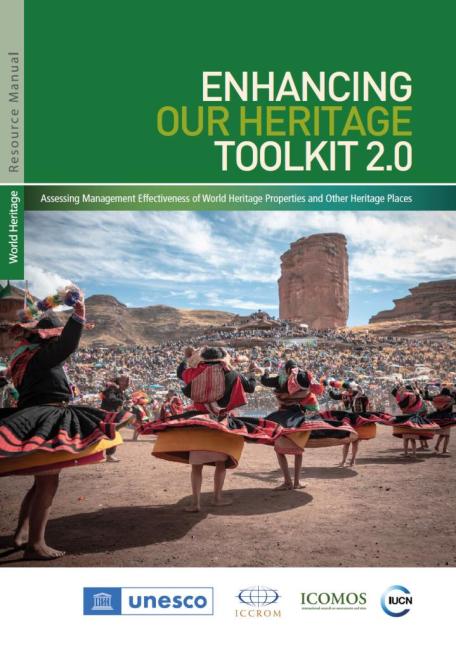
. Several guides exist on how to carry out such an analysis, e.g. Enhancing our Heritage (UNESCO, 2008) and Part 4 of Managing Cultural World Heritage (UNESCO, 2013). Such an analysis should identify: