Image

If you need to know how to
This section explains the process of carrying out a stand-alone impact assessment of a proposed action that may impact World Heritage. This stand-alone impact assessment on OUV and other heritage/conservation values is referred to in this Guidance as a
. This may be appropriate where there is no existing impact assessment system or where the proposed action would not require impact assessment under existing legislation. Examples of proposed actions that may not require formal impact assessment but could still have a significant impact on World Heritage include: widening a road, erecting a visitor centre, making the ground impervious in an area upstream from the
, or multiple small projects that lead to progressive adverse changes to the buffer zone of a
.
This Guidance should be read in conjunction with other guidance on impact assessment.13
can coexist with, or be incorporated within, other forms of assessment, as illustrated in Section 5.
should start early in the development of a proposed action, and inform the entire planning process of that action. This section discusses the different steps in the
process, as shown in Figure 6.1. (see Table 4.1 for a list of the steps and supporting prompt questions). While impact assessment can seem like a linear process, the results of many of its steps will influence the conclusions of earlier steps in an iterative way. In addition, the participation of rightsholders and other stakeholders will need to be considered throughout the process, as will the best ways to avoid negative impacts on OUV through proactive problem solving, including the consideration of alternatives and mitigation measures.
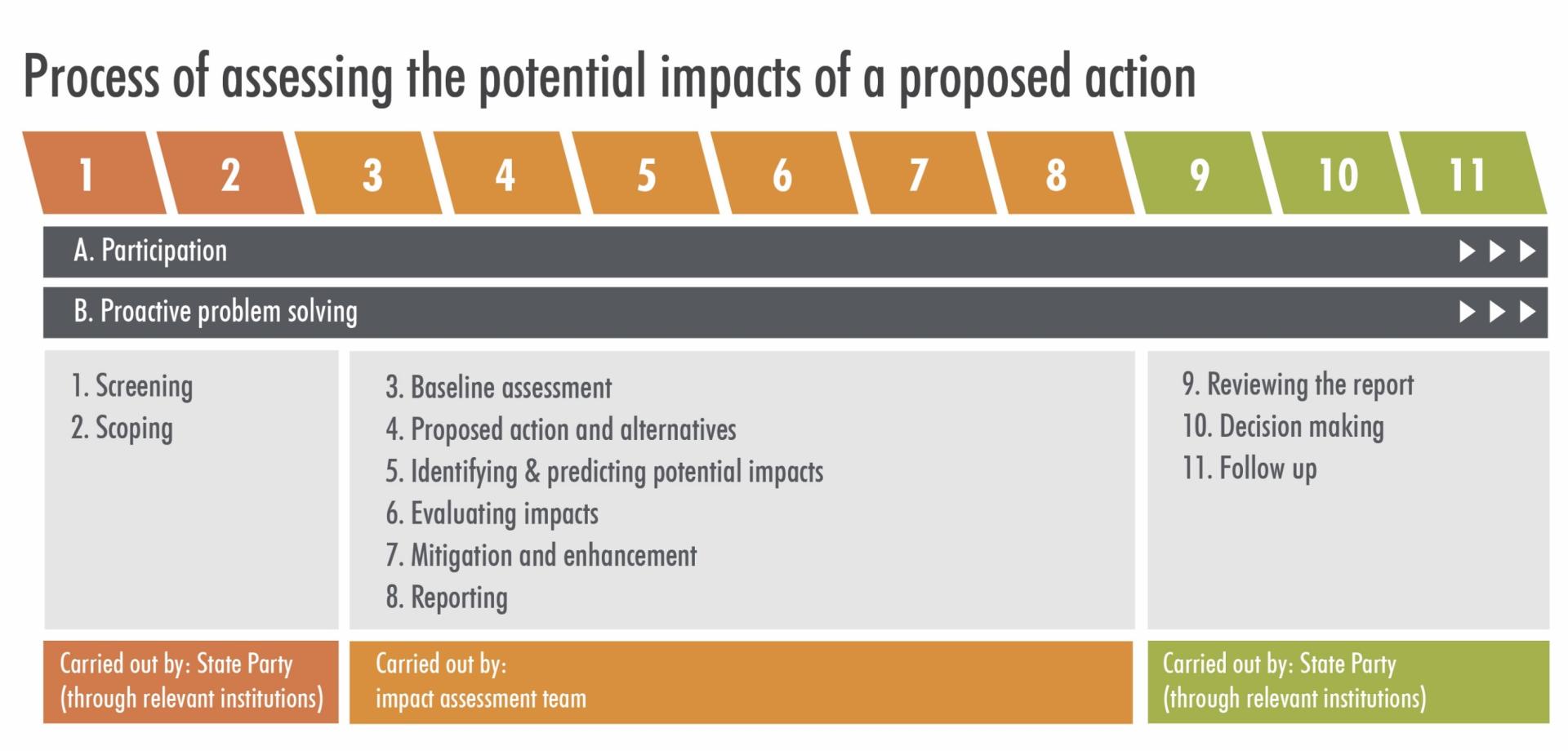
Figure 6.1. The process of an impact assessment conducted for World .